Commercial roof coating in Waukesha County: Is it the right move for your building?
If your flat or low-slope commercial roof in Waukesha County is showing its age but the deck and insulation underneath are still in good shape, a commercial roof coating may be the most practical way to stop leaks, control costs, and avoid a premature tear-off. Building owners and property managers across Brookfield, Waukesha, New Berlin, Menomonee Falls, and Pewaukee face the same question every few years: repair, restore, or replace?
A commercial roof coating is not paint. It is a fluid-applied, seamless membrane installed over a structurally sound existing roof as part of a full restoration system. The process includes inspection, surface preparation, repairs, the coating itself, and ongoing maintenance. When conditions are right, this approach can extend roof life by years and defer the disruption and capital expense of a full flat roof replacement.
Waukesha County’s climate makes coatings especially relevant. Heavy winter snowfall, persistent freeze-thaw cycles, ice damming, ponding water from frozen drains, and intense summer UV all take a toll on roofing systems. These forces attack seams, flashings, and membranes season after season. A properly applied coating adds a layer of long-term protection that buffers against this damage.
This article walks you through what a commercial roof coating system is, which roofs qualify, how the process works, what it costs compared to replacement, and how Seamless Building Systems evaluates roofs right here in Waukesha County.
Key takeaways for Waukesha County building owners
- What it is: A commercial roof coating is a seamless, fluid-applied membrane built on-site over your existing roof, part of a full restoration system that includes inspection, repairs, prep, coating, and maintenance.
- Who qualifies: Most flat and low-slope commercial roofs with dry insulation, a sound deck, and an intact membrane are potential candidates, regardless of age.
- How long it lasts: A professionally applied restoration typically adds 10 to 20 years of service life when the existing roof is a good candidate.
- What it costs: Restoration often costs a fraction of replacement, in many cases about half or less, depending on roof condition.
- What if your roof doesn’t qualify: Some roofs in Waukesha County will still need repair-and-plan or full replacement if insulation is saturated, the deck is compromised, or there is widespread membrane failure. Seamless Building Systems will tell you honestly.
What exactly is a commercial roof coating system?
A commercial roof coating system is a fluid-applied membrane installed over an existing, structurally sound commercial roof as part of a full restoration process. It creates a seamless, monolithic layer of waterproofing and weather resistance across the entire roof surface, without the laps and seams that are common failure points in traditional roofing systems.
It helps to keep the terminology straight. “Roof restoration” refers to the full system: inspection, repairs, surface preparation, coating application, and ongoing maintenance. “Roof coating” refers specifically to the protective top layer, such as silicone or acrylic, within that system. Coating alone is not a solution. Without proper preparation and repairs underneath, even the best materials will underperform.
Seamless Building Systems focuses on extending roof life on flat and low-slope systems common across Waukesha County. That includes TPO (thermoplastic polyolefin), EPDM (ethylene propylene diene monomer rubber), modified bitumen, metal roofs, and older built-up roofs found on industrial buildings, business parks, office complexes, and multifamily properties throughout the area.
Because coatings form a continuous membrane, they help protect against UV degradation, ponding water in designed drainage areas, and the weathering that Wisconsin’s climate delivers year-round. Roofing materials need to withstand significant temperature changes throughout the year, and a properly selected coating system adds resilience at the surface level where damage starts.
Coating type and system design are chosen based on roof material, current condition, and local climate factors. Not all coatings work on every substrate. The chemical makeup of a roof dictates the appropriate coating chemistry, and roof coatings must be compatible with the existing roof substrate to avoid bond failure. For a deeper look at the different coating types and how they compare, see our commercial roof coating guide.

Which commercial roofs in Waukesha County are good candidates for coating?
Most flat and low-slope commercial roofs with dry insulation, a sound deck, and an intact membrane are potential coating candidates, regardless of how old the roof is. Age alone is not the deciding factor. What matters is the condition underneath.
Seamless Building Systems most often evaluates TPO, EPDM, modified bitumen, metal, and older built-up roofs for restoration across Waukesha County facilities. Each roof type has different characteristics that affect whether coating is the right path and what the inspection needs to focus on.
Common commercial roof types and how we evaluate them for coating
| Roof Type | Typically a Coating Candidate? | What Seamless Building Systems Checks During Inspection |
|---|---|---|
| TPO (thermoplastic polyolefin) | Common candidate when membrane is intact, and seams are weakening but not failing entirely | Seam looseness or splitting, wrinkling, UV chalking, attachment condition, ponding areas, fastener and edge weld integrity |
| EPDM (rubber) | Very good candidate, especially aged rubber roofs that are still dry and not deeply cracked | Surface cracks, shrinkage at flashings, ponding behavior, tape and adhesive seams, detail integrity around curbs and penetrations |
| Modified bitumen | Often a candidate if the surface is smooth, asphalt is brittle but not saturated, and gravel has been removed or is manageable | Granule loss, alligator cracking, blistering, boot and traffic damage, surface slope, water infiltration signs |
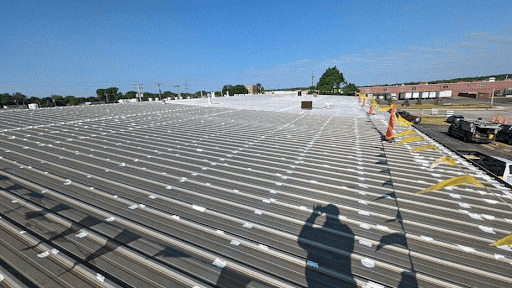
| Standing-seam or screw-down metal | Sometimes a candidate, best when structure and panels are straight, and corrosion is surface-level | Fastener condition, rust, seam integrity, flashings, oxidation, thermal expansion joints, panel deformation |
| Older built-up roofs (BUR) | Sometimes used, especially on smooth or gravel-free surfaces after proper preparation | Moisture readings, bare asphalt condition, ponding, flashing leaks, wet insulation indicators |
A few patterns worth noting:
- Metal roof restoration is often driven by failed fasteners and seam issues rather than panel failure. When the panels themselves are straight, and corrosion has not rusted through, coating can seal those leak paths and add years of service life.
- Aged but dry EPDM membranes from the 1990s and 2000s are some of the best coating candidates. They tend to chalk and shrink at details over time, but the membrane itself often remains viable. EPDM is a popular material for commercial flat roofing, and many of these roofs still have decades of structural life left.
- Wet insulation is usually a red flag. If moisture has saturated the insulation beneath the membrane, coating over it can trap that moisture and accelerate damage rather than prevent it. Those areas typically need to be cut out and replaced before any coating work, or the roof may require a phased replacement plan.

Does your roof qualify for a commercial coating or restoration?
A roof generally qualifies for restoration when the structure and insulation are dry and sound, and the problems are mainly at the surface: aging seams, deteriorating flashings, minor punctures, or general weathering.
During a roof condition assessment in Waukesha County, Seamless Building Systems looks for:
- Membrane condition: UV damage, cracking, shrinkage, and how the surface responds to prolonged exposure to direct sunlight and weather
- Ponding water behavior: Areas where water sits for extended periods after rain or snowmelt, which is common on flat roofing systems with marginal slope
- Flashing transitions and penetrations: Condition around HVAC curbs, pipes, vents, skylights, and edge details, the most common leak sources
- Drainage performance: Whether drains, scuppers, and gutters are moving water off the roof effectively or contributing to ponding areas
Specific disqualifiers or caution flags include: widespread wet insulation, soft or spongy areas on the deck, significant rust-through on metal panels, repeated patch failures that suggest a deeper problem, storm-related structural movement, and code-driven replacement triggers. Regular inspections and moisture assessments are critical before applying roof coatings, because surface appearance alone does not tell the whole story.
Seamless Building Systems uses detailed visual inspections and may use drone roof inspections where access is limited or the roof area is large. The resulting written condition report includes photos, moisture concerns, and recommended options with priorities. For more about the roof inspection program and what it covers, visit the inspection service page.
Quick self-check: signs your roof might be a coating candidate
Before calling a contractor, here are some observable signs from the rooftop that suggest coating may be worth evaluating:
- Aging surface with chalking or fading but no extensive blistering or delamination
- Recurring leaks near penetrations, flashings, or seams rather than across whole fields
- Visible seams with early wear but no widespread splits or open laps
- Ceiling tiles stay dry after most storms, with leaks isolated to known trouble spots
- The roof feels solid underfoot, not spongy or bouncy
Signs you may be closer to repair-and-plan or replacement:
- Interior staining in multiple unrelated areas of the building
- Musty odors suggesting trapped moisture in the insulation or deck
- Ponding water that lasts for days after snowmelt, not just hours
- Fasteners that have backed out of metal panels or decking feels soft underfoot
- Previous repairs that have failed repeatedly in the same locations
Treat this self-check as a starting point, not a final diagnosis. Only an on-site inspection by an experienced commercial roofing contractor can confirm whether your roof is a good candidate. Scheduling a professional assessment now, especially during fall or winter, puts you in position to act when the weather window opens.
How the commercial roof coating and restoration process works
Seamless Building Systems follows a structured, multi-step process on every restoration project, from inspection through long-term maintenance, designed to help Waukesha County property owners plan with confidence and avoid surprises.
Step 1: Inspection and condition assessment
Every project starts with a site visit. An experienced crew member walks the roof, photographs key areas, discusses leak history and building use with the owner or facility manager, and reviews any existing warranties or past repair records.
The inspection covers the full roof area, edges, penetrations, drains, and any known trouble spots. In Waukesha County, inspectors pay particular attention to areas prone to ice damming, snow drift zones, and shaded sections that hold moisture longer after winter storms. Waukesha County experiences heavy winter snowfall and intense freeze-thaw cycles, so these conditions directly influence which roofs qualify for coating and which need a different plan.
After inspection, Seamless Building Systems prepares a written condition summary with recommended paths: repair and maintain, restore with coating, or plan a phased replacement if required.
Step 2: Scope, options, and honest recommendation
Building owners and facility managers receive practical options framed in business terms. Extend roof life with restoration now. Perform critical repairs and plan for replacement over the next budget cycle. Or phase sections of a large roof over multiple fiscal years.
Seamless Building Systems recommends full replacement only when structure, code, or safety conditions truly demand it. Otherwise, the goal is to maximize the life of the existing roof. Scope discussions also consider tenant schedules, loading dock activity, shift work, and roof access constraints to minimize disruption to daily operations.
Step 3: Surface preparation and repairs
Proper surface preparation is essential for ensuring long-term adhesion of coatings. This step is not optional and cannot be rushed.
Typical prep on commercial roofs in Waukesha County includes thorough cleaning, addressing biological growth, removing loose dirt and debris, and opening test areas to check insulation dryness where needed. Roof coating installation requires thorough cleaning for adhesion, and skipping this step is a common reason coatings fail prematurely.
Before any coating goes on, Seamless Building Systems performs necessary repairs: seam reinforcement, patching punctures, tightening or replacing metal fasteners, replacing failed flashings, and correcting localized ponding where practical. This repair work is critical for long-term performance of the restored system in Wisconsin’s harsh environments.
Step 4: Applying the coating system
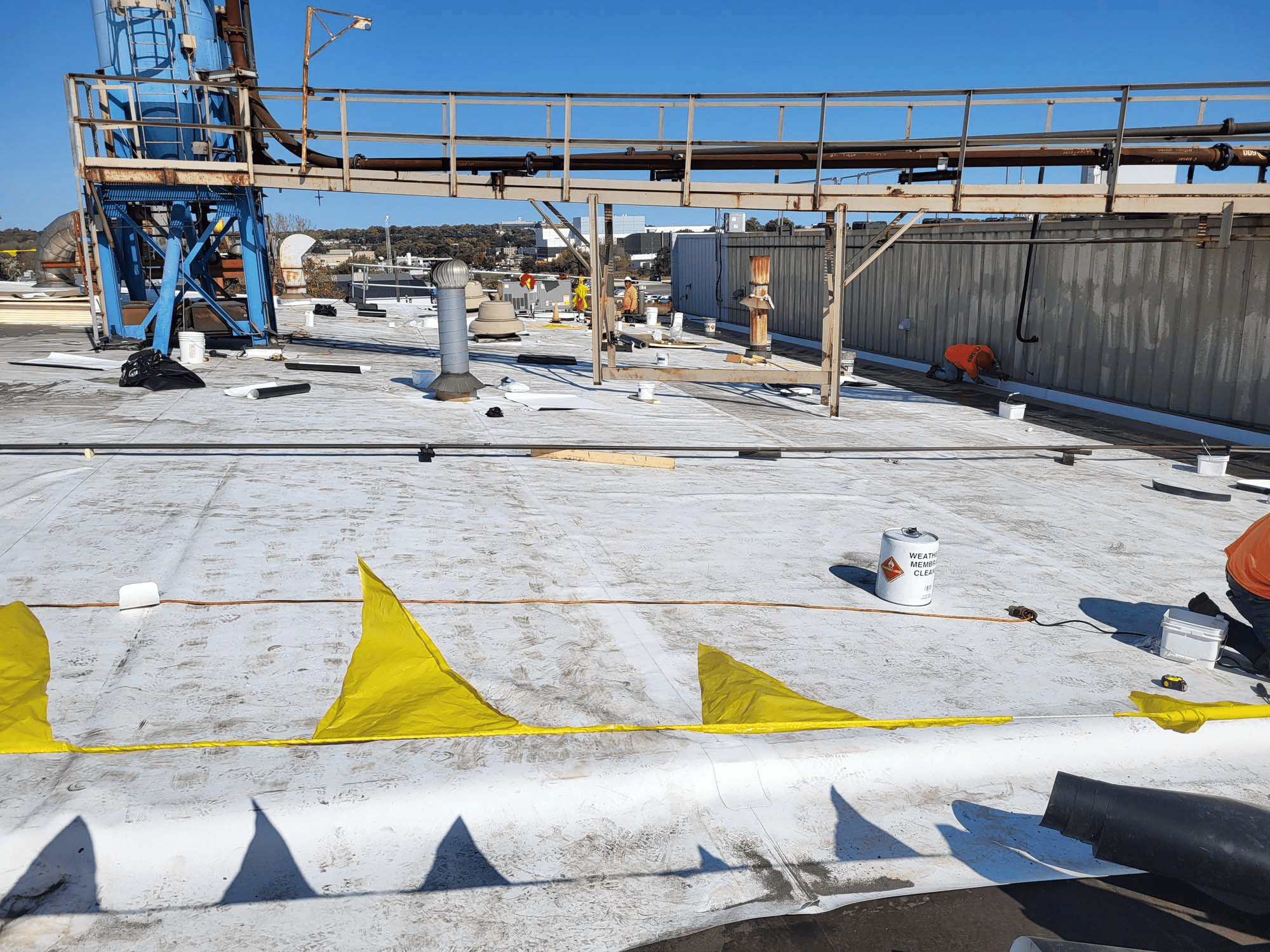
Trained crews install the chosen fluid-applied system in multiple passes to achieve manufacturer-specified thickness and coverage. Liquid-applied coatings come in various chemistries and should be selected based on roof conditions, so the specific product is matched to the roof during the inspection and scoping phases.
Detail work comes first. Penetrations, curbs, and terminations are reinforced before field application begins. Crews use spray or roller methods depending on site conditions, surface type, and access. Coating systems can restore aging roofs without complete tear-off, preserving the existing insulation and deck below.
Waukesha County weather windows matter. Coatings are generally scheduled for late spring through early fall to avoid cold temperatures and freeze-thaw cycles during curing. Waukesha experiences volatile weather conditions affecting application and curing of coatings, so scheduling around forecast windows is part of every project plan. Drying time and curing conditions vary by product type, temperature, and humidity.
Step 5: Final inspection, documentation and warranty
Seamless Building Systems performs a final quality check, addressing any missed areas, overspray risks, or detail corrections before turning the roof back over to the owner.
The owner receives project photos, a summary of repairs and materials used, and information on the SBS workmanship warranty. Manufacturer warranties covering labor and material are available at additional cost on request. Warranty terms are discussed case by case based on the specific system and manufacturer requirements.
Step 6: Ongoing inspections and maintenance
Proactive maintenance and timely repairs can extend roof life by 5 to 10 years or more, helping protect the restoration investment long after the coating cures. Regular maintenance can prevent costly roof replacements down the road.
Recommended follow-up includes annual or post-storm inspections, debris removal from drains, scuppers, and gutters, checking for new mechanical penetrations or trade damage, and prompt repair of any cuts or punctures. Seamless Building Systems offers repair and maintenance programs designed for commercial portfolios in Waukesha County, which can help maintain warranties and control lifecycle costs.
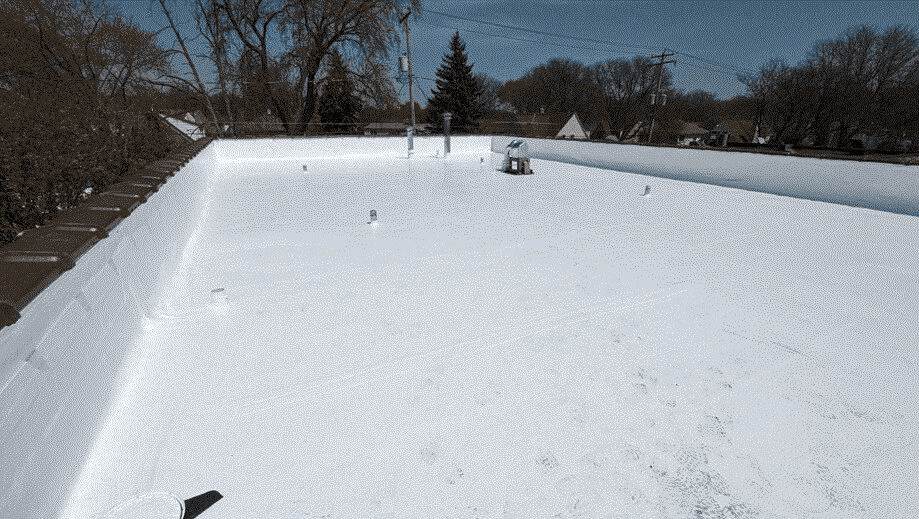
Silicone vs acrylic and other commercial roof coating options
No single coating type is “best” for every Waukesha County roof. The right choice depends on your roof material, slope, ponding behavior, and building use.
- Silicone coatings resist ponding water and UV damage effectively. They are well suited for flat areas where water temporarily collects, which is common on low-slope commercial roofs in Southeast Wisconsin. Silicone coatings offer high UV resistance and withstand standing water indefinitely, making them a strong choice where drainage is slow or ponding areas exist.
- Acrylic coatings improve energy efficiency by reflecting UV rays. They are water-based, highly reflective, and flexible, often chosen for sloped metal roofs or roofs with good drainage. However, acrylic coatings can deteriorate under prolonged standing water conditions, so they are not ideal where ponding is expected.
- Polyurethane coatings offer high impact and abrasion resistance. They may be considered for roofs with heavy foot traffic, rooftop equipment access, or impact-prone areas. Spray polyurethane foam systems are another option in some applications, though they serve a different purpose than topcoat coatings alone.
Quality silicone and polyurethane coatings can be recoated to extend service life indefinitely, which means the initial restoration can become the foundation for decades of continued protection rather than a one-time fix.
Seamless Building Systems selects systems from manufacturers it is certified with, including Gaco and Sherwin-Williams coatings, and is part of the Uniflex Authorized Contractor Network. This ensures the products used are aligned with the specific roof conditions and warranty goals for each project.
How Seamless Building Systems selects a coating for your Waukesha roof
The key decision factors include:
- Existing membrane type: TPO, EPDM, modified bitumen, and metal each require compatible chemistries. Not all coatings work on every substrate.
- Ponding behavior: How long water sits after storms dictates whether silicone or other coatings are appropriate.
- Roof access and foot traffic: High-traffic areas may need more durable, abrasion-resistant coatings.
- Desired warranty structure: System and product selection affect which manufacturer warranties are available.
- Schedule and weather constraints: Some coatings have tighter application windows than others.
Reflective coatings can reduce rooftop heat absorption and lower cooling expenses during summer. ArmorGarage coatings can reflect 90% of the sun’s heat, illustrating how much impact reflectivity can have on energy efficiency. Coatings with high reflectivity can significantly reduce HVAC strain in commercial buildings, which is a meaningful benefit for office, retail, and multifamily property owners managing utility budgets. Choosing a coating should also consider energy efficiency standards like IECC or ASHRAE, and fluid-applied coatings should meet local energy efficiency requirements.
Final system recommendations are made only after the on-site inspection, not over the phone or by square footage alone.

Commercial roof coating vs roof replacement: cost and budgeting in Waukesha County
Restoration often costs a fraction of replacement, in many cases about half or less, depending on roof condition. It can also significantly reduce business disruption compared to a full flat roof replacement. Coatings are a cost-effective alternative to roof replacement when the existing roof structure supports it. Industry estimates place roof coating costs in the range of $1.50 to $5.00 per square foot, though actual pricing depends on roof size, condition, access, and system type.
Coating and restoration avoid most tear-off and disposal costs. They reduce noise and dust in occupied buildings and often keep the existing insulation in place. For tenants, that means fewer complaints. For facility managers, that means maintained production schedules and safer job sites. Coatings can save 10% to 30% compared to full replacements in many situations.
When insulation is saturated, or the deck is failing, partial or full replacement may still be the responsible option. Seamless Building Systems will outline that candidly. There is no benefit to coating over a compromised substrate.
Budgeting in business terms: restoration often fits into maintenance or operating budgets, while replacements are usually larger capital expenditures. Some owners phase large roofs over several fiscal years, addressing the most critical sections first and scheduling restoration or replacement for remaining areas as budgets allow. If tax treatment of restoration versus replacement is a consideration, consult your tax professional for guidance specific to your situation. For a deeper comparison of how liquid-applied membrane restoration stacks up against replacement, that resource breaks down the economics and disruption differences in more detail.
How coatings impact your long-term roof life plan
Most flat roofing systems (TPO, EPDM, PVC) in this region are designed to last 20 to 30 years with regular maintenance. Roof coatings can extend a roof’s lifespan by 15 to 20 years when conditions are right and the coating is properly applied. TPO membranes are commonly used for flat roofs, and modified bitumen is another option for flat roofing systems, so the starting point varies, but the principle is the same: protect what you have before you replace it.
In many cases, a restored roof can be re-coated in the future rather than fully torn off. The long-term plan may look like: original install, then maintenance, then restoration, then recoat, rather than multiple full replacements over the building’s life. Properly applied coatings keep roofs watertight for years, and each successful recoat pushes the replacement date further out.
Property owners managing multiple buildings across Waukesha County should map out each roof’s age and current condition so coating opportunities are not missed while roofs are still good candidates. Once insulation gets wet or the deck deteriorates, the window for cost-effective restoration closes.
Timing your project: when is the best season for roof coating in Waukesha County?
Late spring through early fall is typically the best weather window for commercial roof coatings in Southeast Wisconsin. Extreme temperature swings can cause roofing materials to expand and contract significantly, and applying coatings during stable, warm conditions supports proper curing and adhesion.
Temperature and humidity ranges during the May through mid-October window support coating cure. There is less risk of sudden snow or freeze-thaw during application, and crews can work more efficiently with longer daylight hours and drier conditions.
Fall and winter are the right time for inspections, budgeting, and approvals. Scheduling your project early in the season, before the spring backlog builds, increases the chance of hitting your preferred timeline. High UV resistance matters most during the months of direct sunlight, and getting the coating applied before peak summer UV helps maximize early performance.
Emergency leaks in winter are handled with temporary repairs, patches, and targeted fixes. Coating restoration is then scheduled once weather permits a full application. Coordinating with snow removal contractors is also worth considering, so coating projects are scheduled after heavy winter rooftop equipment is removed and any snow-related damage is assessed.
Local proof: commercial roofs restored and coated in Southeast Wisconsin
Seamless Building Systems has completed restoration and coating projects on commercial and multifamily buildings across Southeast Wisconsin, including Waukesha County, since 2015.
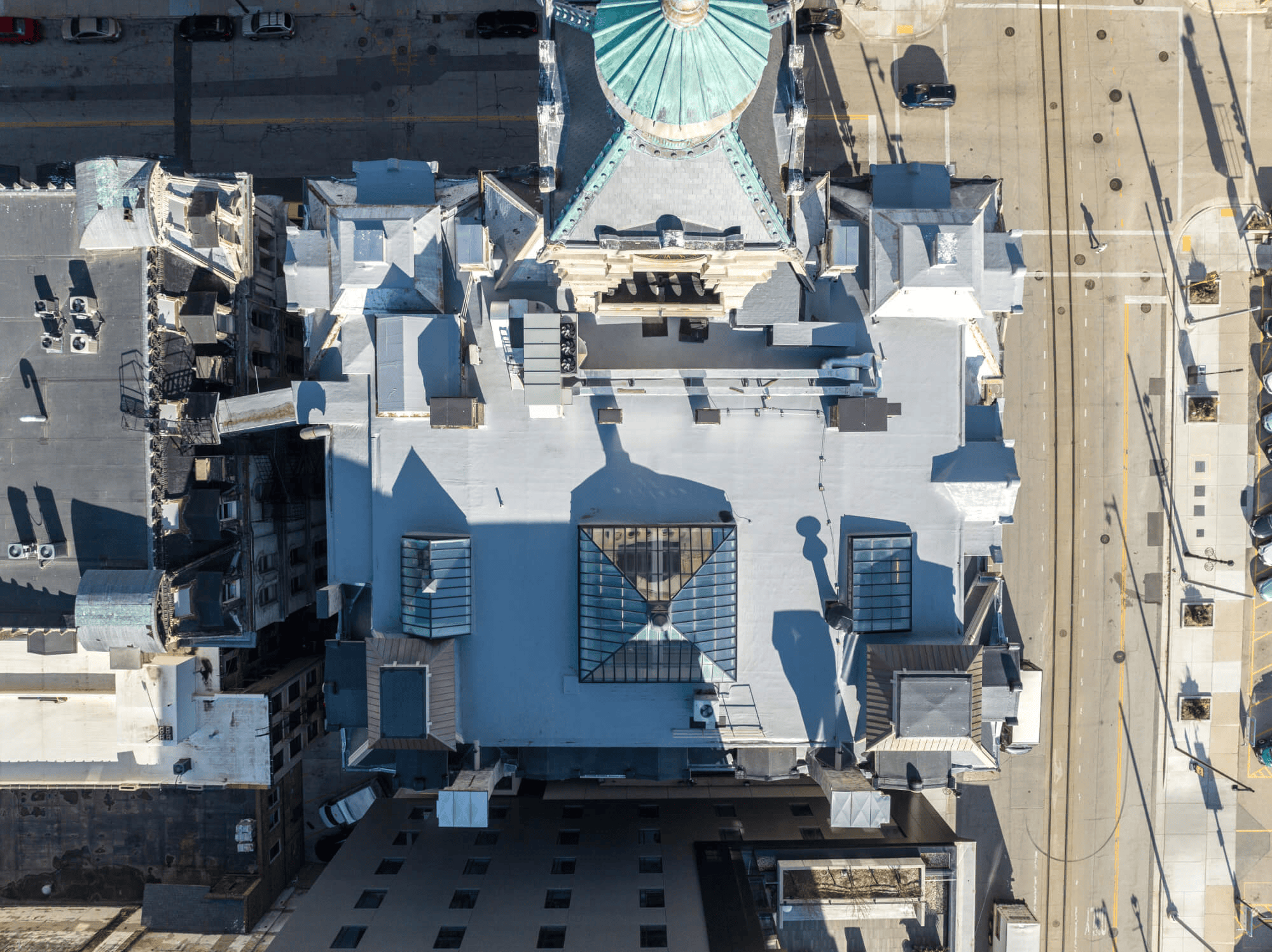
Projects have included industrial facilities, office roofs, and apartment complexes. The SBS case studies page features project summaries and photos from completed work, including multifamily properties like Willow Glen Apartments and Marshall House Apartments, commercial projects for Charter Capitol Management and Valmet Inc., and other facilities across the region.
These case studies demonstrate core themes that matter to building owners:
- Extending roof life through targeted restoration rather than defaulting to replacement
- Managing leaks proactively before they cause interior damage or tenant disruption
- Completing work with minimal disruption to tenants, operations, and daily schedules
- Coatings can seal leaks and prevent water intrusion when applied as part of a properly scoped restoration
If you are skeptical about whether coating will work on your building, compare the before-and-after conditions described in the case studies to the current state of your own roof. The parallels may be closer than you expect.
Find out if your roof qualifies for a roof coating
If you own or manage a commercial building in Waukesha County with an aging flat roof, recurring leaks, or rising repair costs, a professional assessment is the fastest way to find out whether coating, repair, or replacement makes the most sense for your situation.
- Schedule a free roof inspection and honest assessment: A site visit, thorough roof walk, condition report in plain language, and options presented with pros and cons.
- Expect a written summary with photos, identified concerns, and prioritized recommendations, not a high-pressure sales pitch.
- Roof coatings can be applied to various substrates, but only an on-site evaluation confirms whether your specific roof qualifies.
- The goal is to help you avoid premature replacement while protecting the building and its occupants.

Why Waukesha County facilities choose Seamless Building Systems for commercial roof coating
Seamless Building Systems is a locally owned and operated commercial roofing contractor based in Brookfield, WI, serving Waukesha County and Southeast Wisconsin. SBS focuses on extending the life of commercial roofs through inspection, maintenance, roof repair, restoration, and, when truly necessary, replacement.
Here is what practically sets SBS apart for local commercial roof coating and restoration work, tied directly to outcomes building owners care about.
Local experience and technical expertise
The SBS team brings 40+ years of combined experience with flat and low-slope commercial roofs in Southeast Wisconsin. That depth matters when diagnosing freeze-thaw damage, evaluating ponding patterns after Wisconsin winters, and determining whether a roof’s current condition supports restoration or requires a different approach.
SBS holds certifications with IKO, GenFlex and Mule-Hide TPO, GenFlex EPDM, and coatings from Gaco and Sherwin-Williams, and is part of the Uniflex Authorized Contractor Network. These certifications are not just logos. They mean SBS installs systems according to manufacturer specifications, which is a prerequisite for manufacturer warranties covering labor and material (available at additional cost on request). SBS is also an NRCA member.
Correct system selection, adherence to manufacturer details, and proper application technique all contribute to a durable result. Elastomeric coatings should possess high tensile strength and elasticity for temperature adaptability, and certified installers know how to achieve that in the field. Local building codes require compliance with fire classifications and wind-uplift resistance data, and SBS ensures installed systems meet those requirements.
Life-cycle strategy, not just today’s project
SBS helps owners map out inspection, maintenance, repair, restoration, and eventual replacement so they avoid surprises and budget spikes. Roof coatings extend roof life by 15 to 20 years when properly applied, and that timeline becomes part of a larger plan rather than a standalone fix.
Recommendations are prioritized: immediate leak control first, near-term restoration opportunities second, and long-term replacement planning where necessary. This phased approach is especially valuable for portfolios of office, retail, and multifamily roofs across Waukesha County that must be managed over many years.
Clear communication and minimal disruption
SBS coordinates with facility managers on staging, safety, parking, and tenant notifications to keep operations running during roof work. Scheduling noisy tasks around business hours when possible, protecting entryways and landscaping below active work areas, and planning around shipping schedules or clinic hours are standard practice.
These details matter. Reduced tenant complaints, maintained production schedules, and safer job sites are outcomes that go beyond what is on the roof.
Areas we serve for commercial roof coating and restoration
Seamless Building Systems serves commercial and industrial properties across Waukesha County and nearby Southeast Wisconsin communities from its Brookfield office.
- Brookfield
- Waukesha
- New Berlin
- Menomonee Falls
- Pewaukee
- Oconomowoc
- Hartland
- Delafield
- Surrounding business parks and industrial areas throughout Waukesha County
Service extends across neighboring Southeast Wisconsin counties for qualifying commercial projects.
If you are unsure whether your property falls within the service area, call or use the contact form to confirm coverage for your specific location.

Frequently asked questions about commercial roof coating in Waukesha County.
These are the questions Seamless Building Systems hears most often from building owners, property managers, and facility managers before they approve a roof project.
How long will a commercial roof coating last on my building?
A professionally applied restoration typically adds 10 to 20 years of service life when the existing roof is a good candidate.
Actual lifespan depends on starting condition, coating type, application quality, and follow-up maintenance. Silicone coatings resist ponding water and UV damage, while acrylic options perform best on well-drained surfaces. Routine inspections after installation can catch minor issues early and extend performance well beyond the initial estimate.
Can a roof coating stop my existing leaks, or do I need repairs first?
Coating systems are designed to work over properly repaired roofs, so leaks at seams, penetrations, and flashings are addressed before the coating is applied.
Seamless Building Systems locates and repairs active leaks, reinforces trouble areas with additional materials and detail work, and then installs the coating as a continuous membrane. Coatings can seal leaks and improve energy efficiency, but only when the substrate beneath is sound and dry. Skipping repairs leads to trapped moisture, blistering, and premature failure.
Is my roof too old for a coating instead of replacement?
Age alone does not disqualify a roof. What matters is whether the deck and insulation are still sound and the membrane is mostly intact.
Even older rubber roofs from the 1990s can sometimes be restored if moisture is limited and damage is localized. Conversely, a relatively young roof with widespread structural issues, saturated insulation, or severe membrane failure may still require replacement. High UV exposure can degrade roofing substrates and coatings over time, but degradation at the surface is exactly what coatings are designed to address when the structure below remains viable.
Will a commercial roof coating void my existing roof warranty?
Adding a coating can affect existing warranties, so it is important to review current documents and coordinate with manufacturers before proceeding.
Seamless Building Systems asks for warranty paperwork during the inspection phase and tailors recommendations to respect manufacturer requirements where possible. In some cases, a new manufacturer warranty replaces the old one. In other coating situations, SBS outlines new warranty options that align with the restoration system being installed.
How much does a commercial roof coating cost per square foot in Waukesha County?
Pricing depends on roof size, condition, access, and system type, and Seamless Building Systems does not publish flat per-square-foot rates.
Restoration often costs a fraction of replacement, in many cases about half or less, when the roof is suitable. But only an on-site inspection can produce an accurate estimate. Variables include the extent of repairs needed, coating type selected, and any custom color or specialty requirements. Request a tailored proposal to get accurate numbers for your specific building.
Will my building need to shut down while you apply a roof coating?
Most commercial roof coating projects in Waukesha County proceed while businesses remain open, with access and safety carefully managed.
Noise from cleaning equipment and preparation work is typically the most noticeable impact. SBS coordinates with facility managers to schedule the loudest tasks around critical business hours when possible. Odors from certain coatings are generally minimal outdoors but are discussed during scoping if the building has sensitive operations. Loading dock access, parking, and entry points are planned around the work to keep disruption low.
What kind of maintenance will my coated roof need after the project?
Coated roofs still need regular inspections and basic maintenance to perform well over the long term and to protect the investment.
Recommended tasks include clearing debris from drains, scuppers, and gutters, checking for damage after rooftop work or major storms, sealing any new penetrations correctly, and scheduling periodic inspections with Seamless Building Systems. A coat built over a well-maintained surface lasts longer than one that is ignored. Maintenance is what turns a 10-year coating into a 15-year or 20-year whole roof solution.
Get started: plan your commercial roof coating project in Waukesha County
If you are a building owner, property manager, or facility manager in Waukesha County dealing with recurring leaks, an aging flat roof, or rising repair costs, now is the time to get a professional opinion before the next severe season arrives.
- Schedule a free roof inspection: Get a condition assessment, honest recommendations, and a clear picture of whether coating, repair, or replacement is the right path for your building.
- Request a free estimate: If you already know you want restoration or replacement priced, start the conversation with project details and a site visit.
- See our work: Review completed commercial and multifamily projects across Southeast Wisconsin, including industrial, office, and apartment roofs.
- Seamless Building Systems is based in Brookfield and focuses on helping Waukesha County owners extend the life of their existing roofs, not replace them before it is truly necessary.