
Roof restoration is still new to a lot of building owners in Wisconsin, and that means there’s plenty of confusion about what a roof coating can and can’t do. Some people think every coating is the same. Others think restoration is a quick fix, or that it’s simple enough to do yourself. We hear these all the time, so let’s clear them up.
At Seamless Building Systems (SBS), we’ve been helping building owners across Milwaukee and Southeast Wisconsin extend the life of their roofs since 2015. Here are the five misconceptions we run into most, and the truth behind each one.
Key Takeaways
- Roof coatings are not all the same. Aluminum, acrylic, silicone, and polyurethane each have a different purpose, and product quality varies.
- A professionally applied restoration typically adds 10 to 20 years of service life, and many coating systems can be renewed later to extend protection again.
- Silicone roof coatings have been used since the 1960s, and polyurethane goes back to the 1930s. These are proven materials, not new experiments.
- Restoration takes real expertise: roofing, moisture detection, safety, and basic chemistry all play a part.
- Not every roof qualifies. A roof with widespread moisture needs replacement, and a free inspection is how you find out.
Misconception #1: All Roof Coatings Are the Same
Not true. There are a lot of coatings on the market, but the main types are aluminum, acrylic, silicone, and polyurethane. Each one has its purpose, and they are nowhere near the same:
- Silicone handles ponding water and UV exposure well, which makes it a strong fit for many low-slope commercial roofs. It is SBS’s coating of choice on many projects.
- Acrylic is water-based and reflective, and works best on roofs that drain well.
- Polyurethane is tough and impact-resistant, and is often used where there is heavy foot traffic.
- Aluminum coatings are reflective and are often used over older asphalt-based roofs.
Manufacturers are always trying to outdo each other, so there’s constant research and development going into stronger, longer-lasting coating systems. That’s part of why choosing the right product for your specific roof matters so much.
Be aware that quality also depends on where a product comes from. If a store is aimed at DIY buyers, you could be looking at a shelf of products that may not match the quality of the systems sold to certified contractors. SBS is a certified installer for Gaco and Sherwin-Williams coatings and part of the Uniflex Authorized Contractor Network, so we install manufacturer systems the way they’re designed to be installed.
Misconception #2: Roof Restoration Is Just a Short-Term Fix
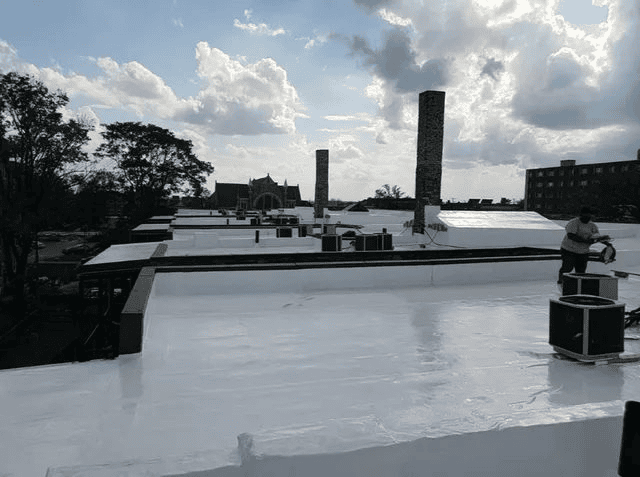
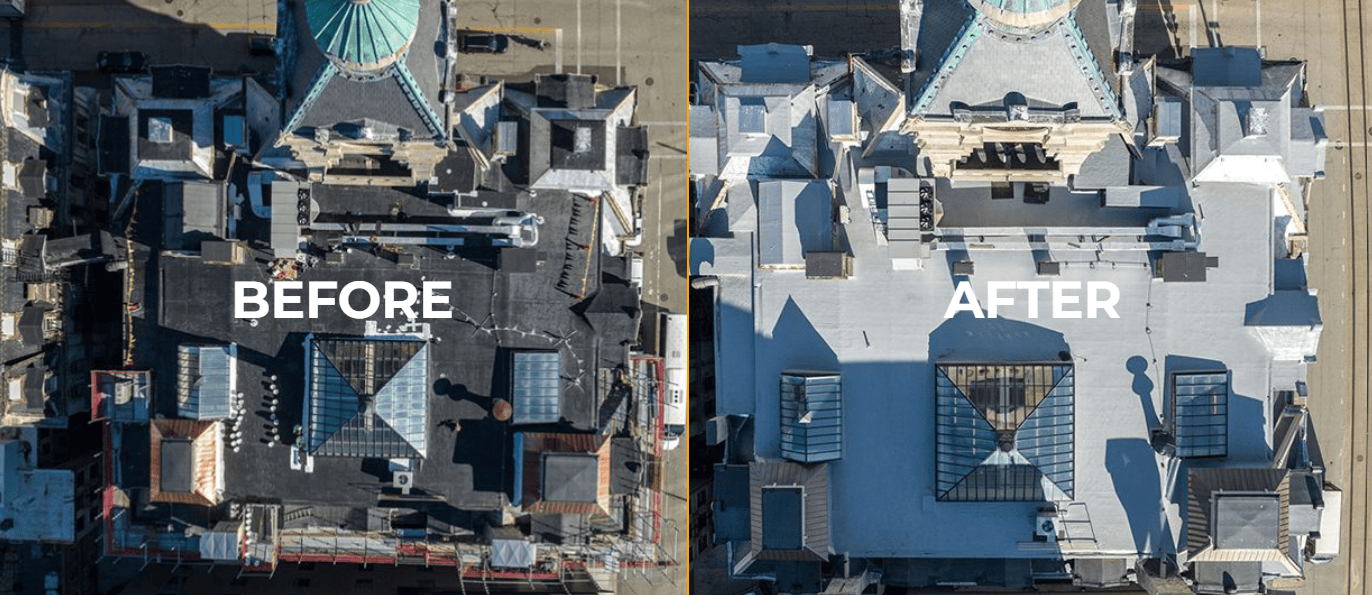
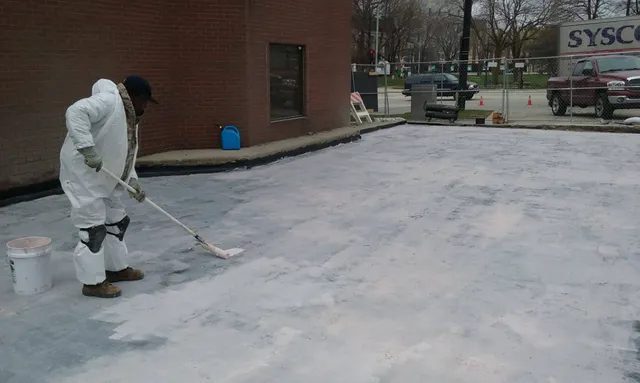
Not true. A restoration isn’t paint on a roof. It’s a full system: inspection, repairs, surface prep, the coating itself, and ongoing maintenance. Done right, a professionally applied restoration typically adds 10 to 20 years of service life.
And it doesn’t have to stop there. Many coating systems, silicone in particular, can be cleaned and recoated later to renew that protection. If restoration is done at the right time and the roof is maintained, it can push a full replacement out for a very long time. By protecting the roofing system from moisture and the elements, the main thing working against your roof becomes time, and the materials in most roofing systems last a long time when they’re kept dry.
Warranties back this up. SBS provides a workmanship warranty, and manufacturer warranties covering labor and material are available at an additional cost. Warranty length depends on the coating system and how thick it is applied.
Does your roof qualify for restoration? Find out with a free roof inspection.
Misconception #3: Roof Restoration and Coatings Are Something New
Not at all. The idea of roof restoration may be new to a lot of building owners in Wisconsin, but the materials have been around for a long time. Silicone roof coatings were first used in the 1960s and have been improving and gaining wider use ever since. Polyurethane is even older, getting its start in the late 1930s.
These systems have stood the test of time on commercial roofs across the country, and the products available today are the result of decades of improvement.
Misconception #4: Roof Restoration Is Easy Enough to Do Yourself
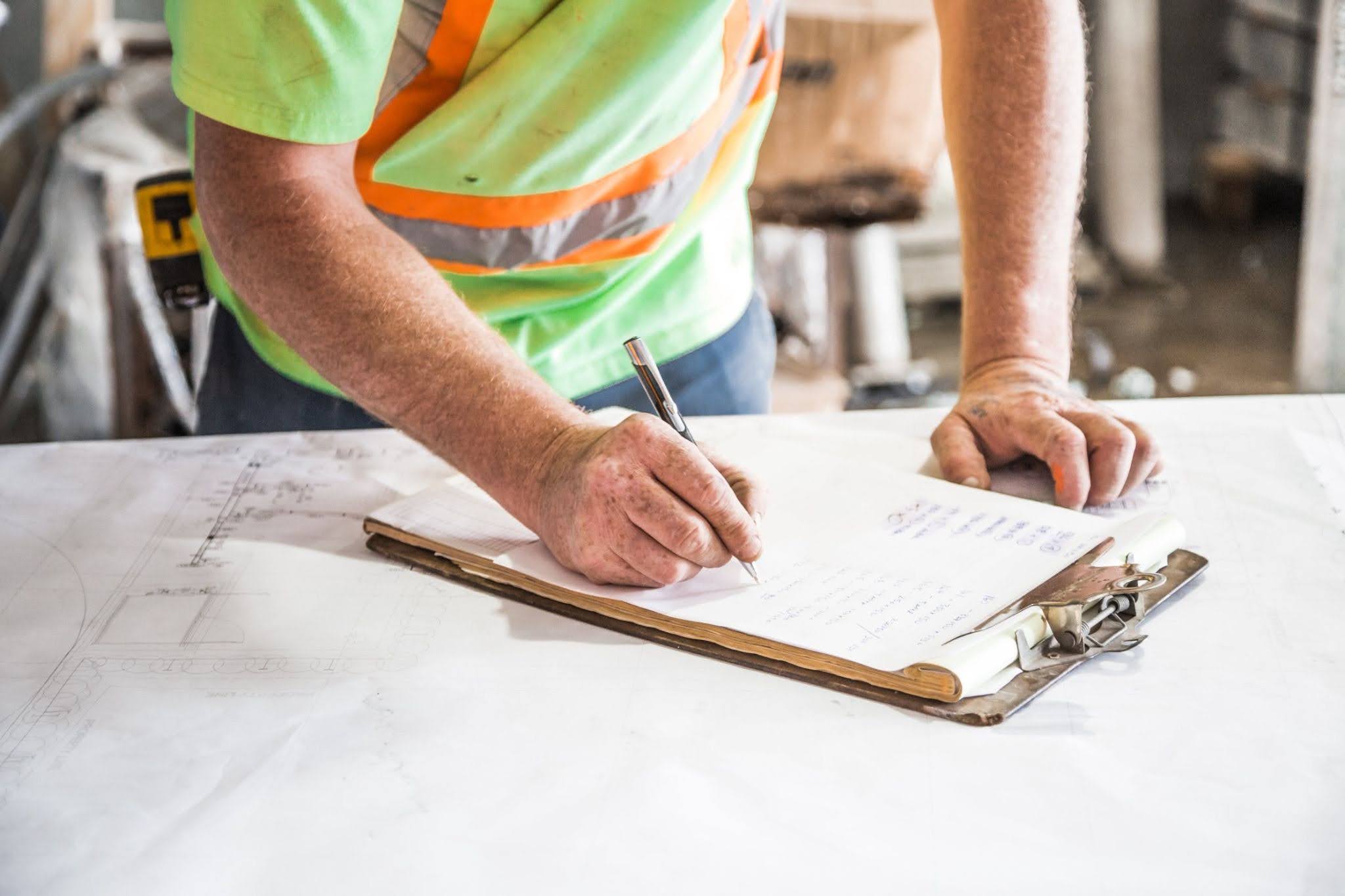
If we have the time and the will, what aren’t we able to do on our own? But while a roof restoration can look simple, there are a lot of ways a restoration project can go wrong:
- Coating over moisture. If wet insulation is trapped under the coating, the problem gets sealed in instead of solved.
- Poor surface prep. A coating only performs if it bonds properly, and that depends on cleaning, repairs, and priming done right.
- The wrong product. Some coatings don’t bond to others, and some can’t handle ponding water. Choosing the wrong product can mean starting over.
- Wrong thickness or conditions. Coatings need to go on at the right thickness and in the right weather. In Wisconsin, the best window is late spring through early fall.
- Safety. Working on a commercial roof means fall hazards, skylights, and roof edges. It’s not a place to learn on the job.
That’s why a solid knowledge base in roofing and roofing materials, building construction, moisture detection, safety, the industry itself, and even basic chemistry is necessary to complete a roof restoration successfully and have it last its expected lifespan and beyond.
Misconception #5: Every Roof Can Be Restored
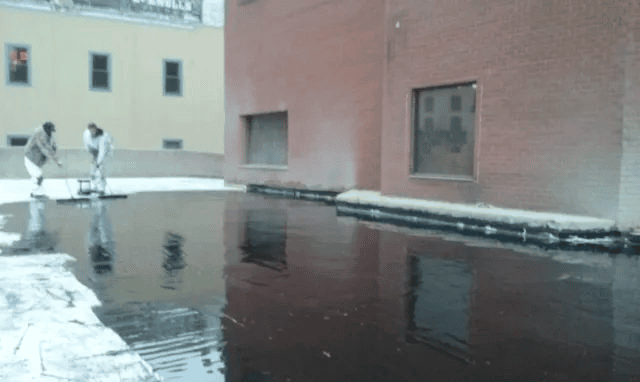
Not true. Not every roof can be restored. Some roofs are simply too far gone and too saturated with moisture. When moisture is widespread throughout the roof system, restoration isn’t the answer, and replacement is the right call.
Moisture is the deciding factor. Before any coating goes on, wet areas have to be found, removed, and replaced, because a coating should never be applied over trapped moisture. Building codes also don’t allow new roofing to be installed over a water-soaked roof.
That’s why knowing how to find moisture and how to get rid of it is so important. SBS has a Certified Impedance Roof Moisture Surveyor on staff, and we use drone roof inspections to see the whole roof. If your roof doesn’t qualify for restoration, we’ll tell you, and we’ll walk you through repair or replacement options instead.
The Bottom Line
Roof restoration isn’t a gimmick, a short-term patch, or a DIY project. It’s a proven, long-lasting option for roofs that qualify, and it’s often the smartest way to protect your budget. Restoration often costs a fraction of replacement, depending on roof condition, limits disruption to your operations, and keeps old roofing material out of landfills. SBS was founded to stop premature roof replacements, and restoration is one of the best tools we have to do that.
Want to see what it looks like on real buildings? Browse our case studies.

FAQ: Roof Restoration and Roof Coating
Are all roof coatings the same?
No. The main types are aluminum, acrylic, silicone, and polyurethane, and each is suited to different roofs and conditions. Product quality also varies, so the system and the installer both matter.
How long does a roof restoration last?
A professionally applied restoration typically adds 10 to 20 years of service life. Many coating systems can also be recoated later to renew protection, as long as the roof is maintained.
Is roof coating a new technology?
No. Silicone roof coatings have been used since the 1960s, and polyurethane dates back to the late 1930s. Today’s products are the result of decades of development.
Can I coat my own commercial roof?
It isn’t recommended. A successful restoration depends on moisture detection, proper repairs and prep, the right product, correct thickness, and safe rooftop work, and mistakes can trap moisture or lead to coating failure.
Can every roof be restored?
No. Roofs with widespread moisture, a damaged deck, or broad membrane failure usually need replacement. A free inspection with a moisture survey determines whether your roof qualifies.
What is the difference between roof coating and roof restoration?
A roof coating is the top layer, the product itself. Roof restoration is the whole system: inspection, repairs, surface prep, the coating, and ongoing maintenance.
Find Out If Your Roof Qualifies
The only way to know whether restoration is right for your building is to look at the roof. Schedule a free roof inspection and honest assessment with Seamless Building Systems, and we’ll tell you what your roof needs and what it doesn’t.