
Not All Roof Coatings Are Created Equal: Why SBS Chooses Silicone
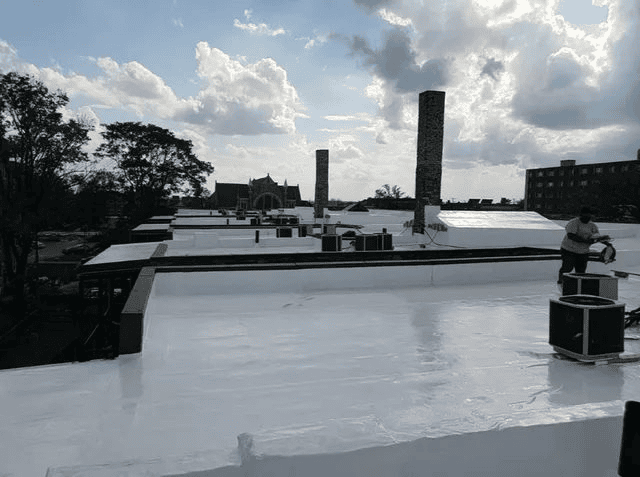
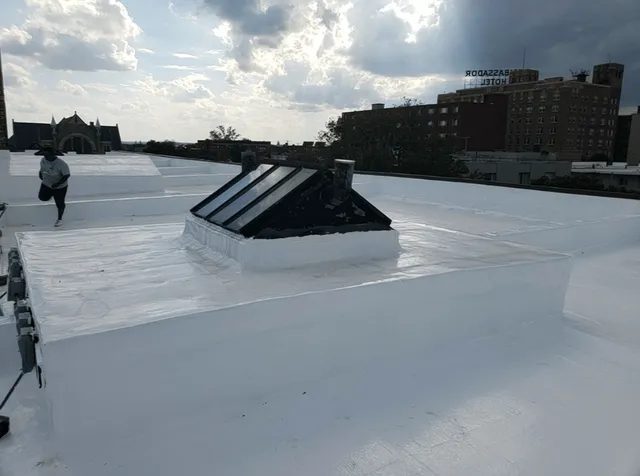
There are a number of ways to extend the life of a flat roof, and a liquid-applied membrane should be near the top of your list. When it’s properly applied, a liquid-applied membrane protects your building from leaks because it’s monolithic, meaning one continuous layer with no seams. With the right maintenance, it can extend the life of your roof for many years, often for a fraction of the cost of a roof replacement.
But not all roof coatings are created equal. Some products perform better than others. Some are more durable and last substantially longer. And of course, any system only works as well as the company installing it. Here’s why Seamless Building Systems (SBS) uses silicone roof coating as our liquid-applied membrane of choice, and what that means for building owners across Milwaukee and Southeast Wisconsin.
Key Takeaways
- A liquid-applied (fluid-applied) membrane is seamless, which removes the seams where many flat roof leaks start.
- Silicone resists UV, weather, and ponding water better than many other coatings, which is why SBS uses it on roofs that qualify.
- Gaco backs its GacoFlex silicone coatings with a 50-year limited material warranty, and labor-and-material warranties are available at an additional cost.
- Silicone costs a little more than acrylic up front, but its durability and warranty make it the better long-term value for many roofs.
- A free roof inspection determines whether your roof qualifies for a silicone restoration.
Why a Liquid-Applied Membrane?
Most roofing membranes are made in a factory and rolled out on your roof in sheets. Every place those sheets meet is a seam, and seams are one of the most common places for a flat roof to leak. A liquid-applied membrane is different. It’s built by hand, on-site, and cures into one continuous layer that’s custom-fit to your building.
That’s a real advantage for an aging roof. A restoration works with the roof you already have, adding a seamless protective layer instead of tearing everything off. To be clear, the coating is only one part of the process. At SBS, a restoration is a full system: inspection, repairs, surface prep, the coating, and ongoing maintenance.
Why SBS Chooses Silicone
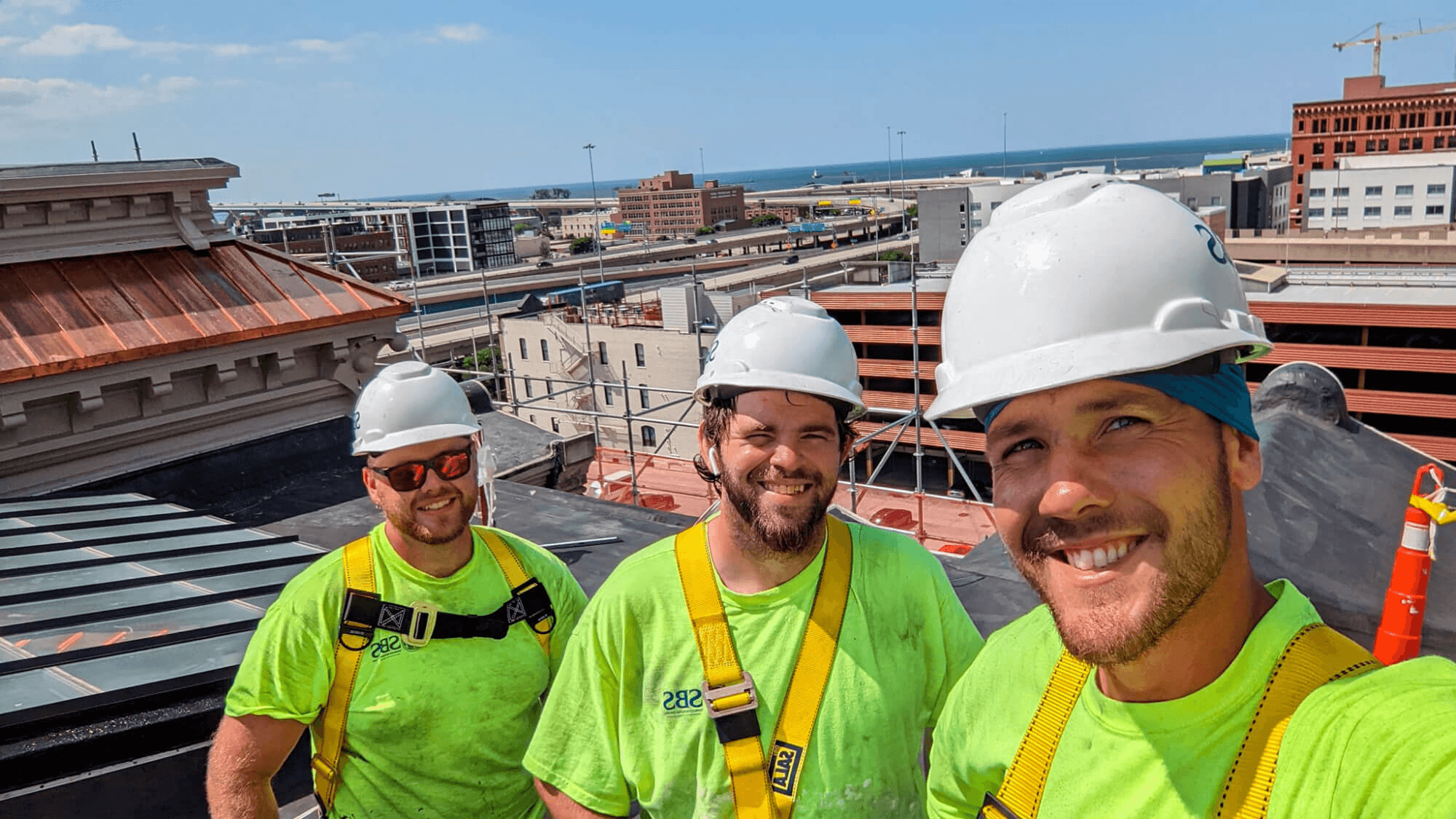
When we do roof repairs or a full restoration, silicone is our liquid-applied membrane of choice. With 40+ years of combined roofing experience on our team, and as a certified installer for Gaco silicone coatings, we’ve found that if a roof qualifies, this time-tested system works the best. Here’s why.
Durability
Sun exposure and wind-driven rain can cause some roof coatings to become chalky and crack over time. Silicone holds up to harsh UV exposure and weather far better, and it resists the chalking and cracking that wear down many other coatings.
Silicone also handles ponding water well. On a flat roof where water tends to sit after a storm, that matters. Many other coatings, including most acrylics, are not designed for ponding water.
And because it’s a seamless, monolithic membrane, silicone doesn’t have seams that can open up over time. That removes one of the most common failure points on a flat roof.
Warranty
A coating’s warranty says a lot about how long its manufacturer expects it to last. Material warranties on many lower-cost coating systems are much shorter than those available for silicone. Gaco, for example, backs its GacoFlex silicone roof coatings with a 50-year limited material warranty.
It’s worth knowing what that covers. A material warranty covers the product itself. Manufacturer warranties covering both labor and material are available at an additional cost, and their length depends on the system and how thick the coating is applied. SBS also provides a workmanship warranty on our installations.
Lifespan
A professionally applied restoration typically adds 10 to 20 years of service life. Silicone can also be cleaned and recoated down the road to renew that protection, so with regular maintenance, a silicone roof can keep performing well beyond its first coat.
What About Cost?
Restoration often costs a fraction of a tear-off and replacement, in many cases about half or less, depending on roof condition.
Silicone is slightly more expensive than some other liquid-applied systems, such as acrylic. But when you factor in the longer warranty, the added life expectancy of the roof, and silicone’s ability to handle ponding water, the difference is a small price to pay.
There are other savings too:
- Deferred capital expense. Extending roof life pushes a major replacement further out, giving you time to plan and budget.
- Less disruption. No tear-off means less noise and less disruption to tenants and operations.
- Less waste. Keeping the existing roof in place keeps old roofing material out of landfills.
Every roof is different, so the only reliable number is one based on yours. Request a free estimate when you’re ready to price a project.
Is Silicone Right for Every Roof?
No coating is right for every roof, and we’ll be honest about that. A few things to know:
- The roof has to qualify. If moisture is widespread under the membrane or the deck is damaged, restoration isn’t the answer, and replacement is the right call.
- Silicone sticks to silicone. Once a roof is coated with silicone, future recoats generally need to be silicone too. That works well when you plan for it.
- Silicone can collect dirt. Over time, it can pick up dirt that reduces its brightness. Periodic cleaning as part of maintenance keeps it performing.
That’s why every SBS restoration starts with an inspection. We use drone roof inspections and moisture surveys, backed by a Certified Impedance Roof Moisture Surveyor on staff, to confirm whether your roof is a good candidate before recommending anything.
Find out if your roof qualifies for a roof coating. Schedule a free roof inspection.

FAQ: Silicone Roof Coating
What is a silicone roof coating?
A silicone roof coating is a liquid-applied membrane that cures into a seamless, continuous layer over an existing roof. It protects against UV exposure, weather, and ponding water, and it is the top layer of a full roof restoration system.
Why is silicone better than acrylic for flat roofs?
Silicone handles ponding water and UV exposure better than acrylic, which makes it a stronger choice for many flat and low-slope roofs. Acrylic can work well on roofs that drain properly, but most acrylics are not designed for standing water.
How long does a silicone roof coating last?
A professionally applied restoration typically adds 10 to 20 years of service life. Silicone can also be cleaned and recoated later to renew protection, as long as the roof is maintained.
What warranty comes with a silicone roof coating?
It depends on the product and the coverage you choose. Gaco backs its GacoFlex silicone coatings with a 50-year limited material warranty, which covers the product. Manufacturer labor-and-material warranties are available at an additional cost, and SBS provides a workmanship warranty.
Is silicone roof coating more expensive?
Silicone costs slightly more than some other coatings, such as acrylic, but restoration overall often costs a fraction of a full replacement. Its durability and warranty make it a strong long-term value for roofs that qualify.
Can silicone go over any flat roof?
Silicone bonds to most common flat roof surfaces, but the roof itself has to qualify. Roofs with widespread moisture or deck damage need repair or replacement first, and a free inspection tells you where your roof stands.
Ready to See If Silicone Is Right for Your Roof?
For these reasons and many more, a silicone liquid-applied roof system makes sense for any flat roof that qualifies. Schedule a free roof inspection and honest assessment with Seamless Building Systems today, or browse our case studies to see silicone restorations we’ve completed in Southeast Wisconsin.